
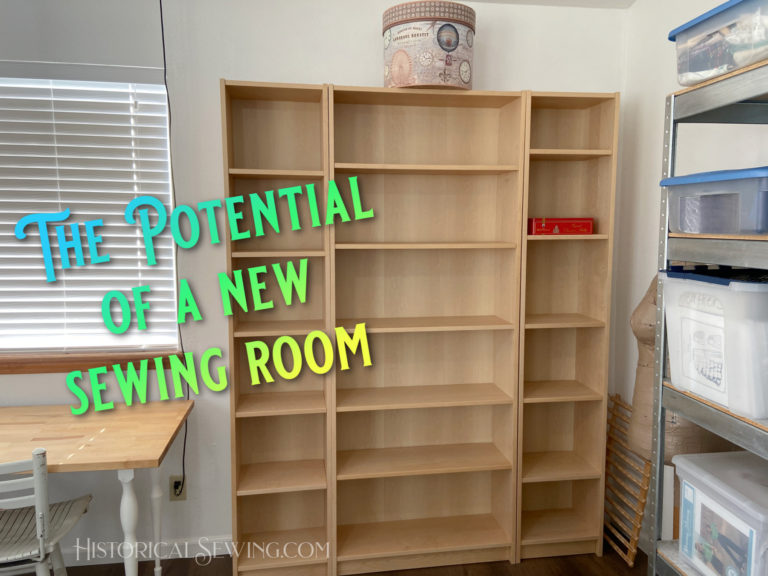
It’s been nearly six months in the making. At least… on the current journey. You see, recently I moved back to my hometown after “traveling the world” (i.e. living in various places around the country) for 30 years. It’s been an adventure indeed! My husband and I had talked about moving (again) since early 2021. Read More...
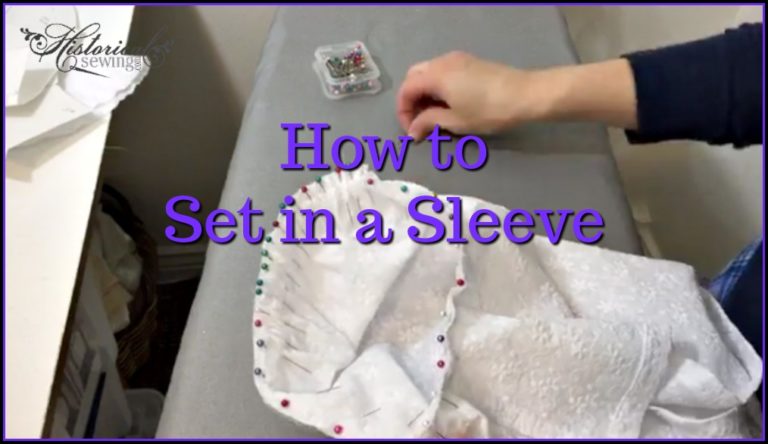
How to Set in a Sleeve
Sleeves seem to be that *thing * that bothers a lot of dressmakers, costumers and sew-ers. The term “sleev-evils” has been tossed around for a while now. But I don’t want you to think of sleeves in that way. It only hinders you in getting that sleeve sewn and set into the bodice as quickly Read More...
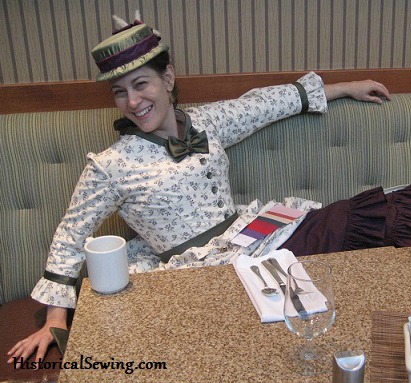
Sleeve Fitting for Movement – or Victorian BFFs
Ahh… sleeves. The bane of nearly every historical costumer. Aren’t we glad we only have two arms! Ever work yourself into a frenzy just trying to get your sleeves right so you can at least *move* in your costume? Yep. It’s the challenge for most of us. Over and over with each bodice…. Well, after Read More...
Update: Blog and School are NOT Going Away
I’ve received emails and comments regarding my previous post on closing the Old Petticoat Shop (read the post here) and wanted to clarify that news. The Old Petticoat Shop (link to closing sale) selling sewing patterns is the only thing closing. As much as I’ve enjoyed serving the community offering patterns and such I’ve decided Read More...
Old Petticoat Shop News
After a wonderful seven years, I’ve decided to close the online store Old Petticoat Shop. One large reason being that a large pattern line we carried moved into offering only digital PDF patterns a few months ago, discontinuing their print versions. Also, as my service to the community at large is changing and pivoting into Read More...
Perfectionism in Historical Costuming
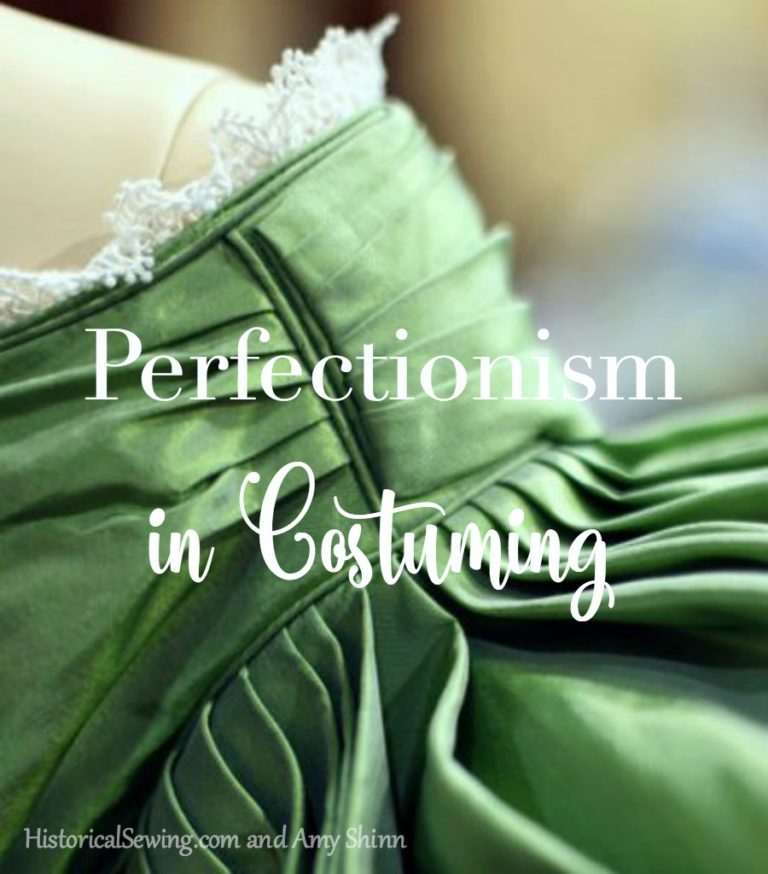
This post was first published in November 2017. With all the crazy happenings of 2020 and 2021 within our community I thought it good to take a look at this topic again. Being perfect. What does that mean? When you strive for “perfect” you nearly always fall short of it. As one of my mentors Read More...

Where in the World is Jennifer?
You might have wondered where I’ve been…. Noticeably absent on social media and here on the blog (but for a couple of posts) in the last year. Well, I’m still around! And yes, continuing to help students in my online classes, answering emails, responding to blog comments, and even producing a new podcast episode. Last Read More...
Podcast 017: Interview with Jennie Chancey of Sense & Sensibility Patterns
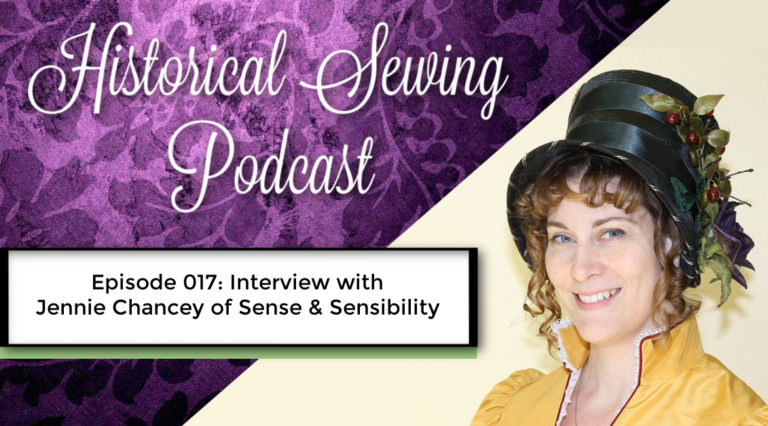
If you’ve dabbled even a little in Regency and Edwardian costuming, you’ve more than likely come across the Sensibility Patterns site with lovely sewing patterns and blog posts to inspire the Jane Austen and early 1900s worlds we love. In this episode we’ll get to know the creator of Sense & Sensibility Patterns, Jennie Chancey Read More...